The Power of Vocational Pathways: How Lucas’ Journey Shows the Future of UK Manufacturing
Vocational training is more than an alternative route into industry, it is one of the most powerful engines driving the future of UK manufacturing. At Philtronics, we see this every day through the apprentices who join our business, grow with us, and become the skilled professionals our sector urgently needs. Few stories illustrate this better than
Lucas’ journey, which captures the true value of hands‑on learning, determination, and the right support network. This approach gives emerging talent a clear route to develop practical expertise while helping employers build the capabilities required for long-term growth.
We are proud to share Lucas’ story, not just as a celebration of his achievements, but as a real example of how vocational pathways can transform lives, strengthen businesses, and support the wider industrial strategy. It also demonstrates why sustained collaboration between learners, educators, and employers is essential if manufacturing is to remain innovative, competitive, and resilient.
Starting Out: A Young Apprentice With Big Potential
Lucas joined Philtronics five years ago, beginning his apprenticeship in
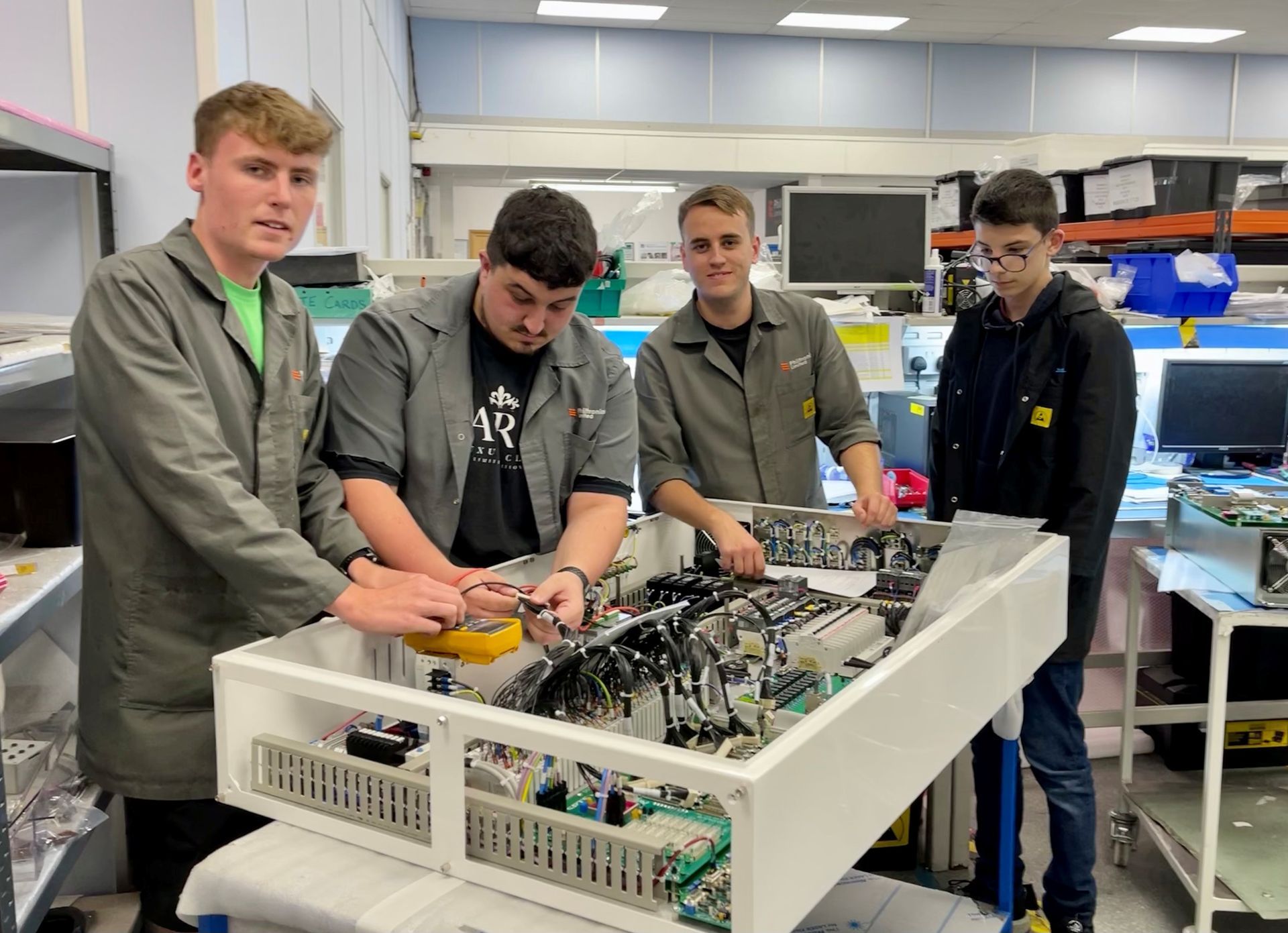
Electrical & Electronic Engineering with Merthyr College. Like many young people entering the world of work, he was still figuring out his place, his interests, and his future. But from the beginning, Lucas showed curiosity, reliability, and a willingness to learn, qualities that would become the foundation of his success. Working alongside experienced colleagues gave him the chance to connect classroom knowledge with day-to-day production challenges and understand the standards expected in a professional manufacturing environment.
He completed his
Level 3 Apprenticeship in
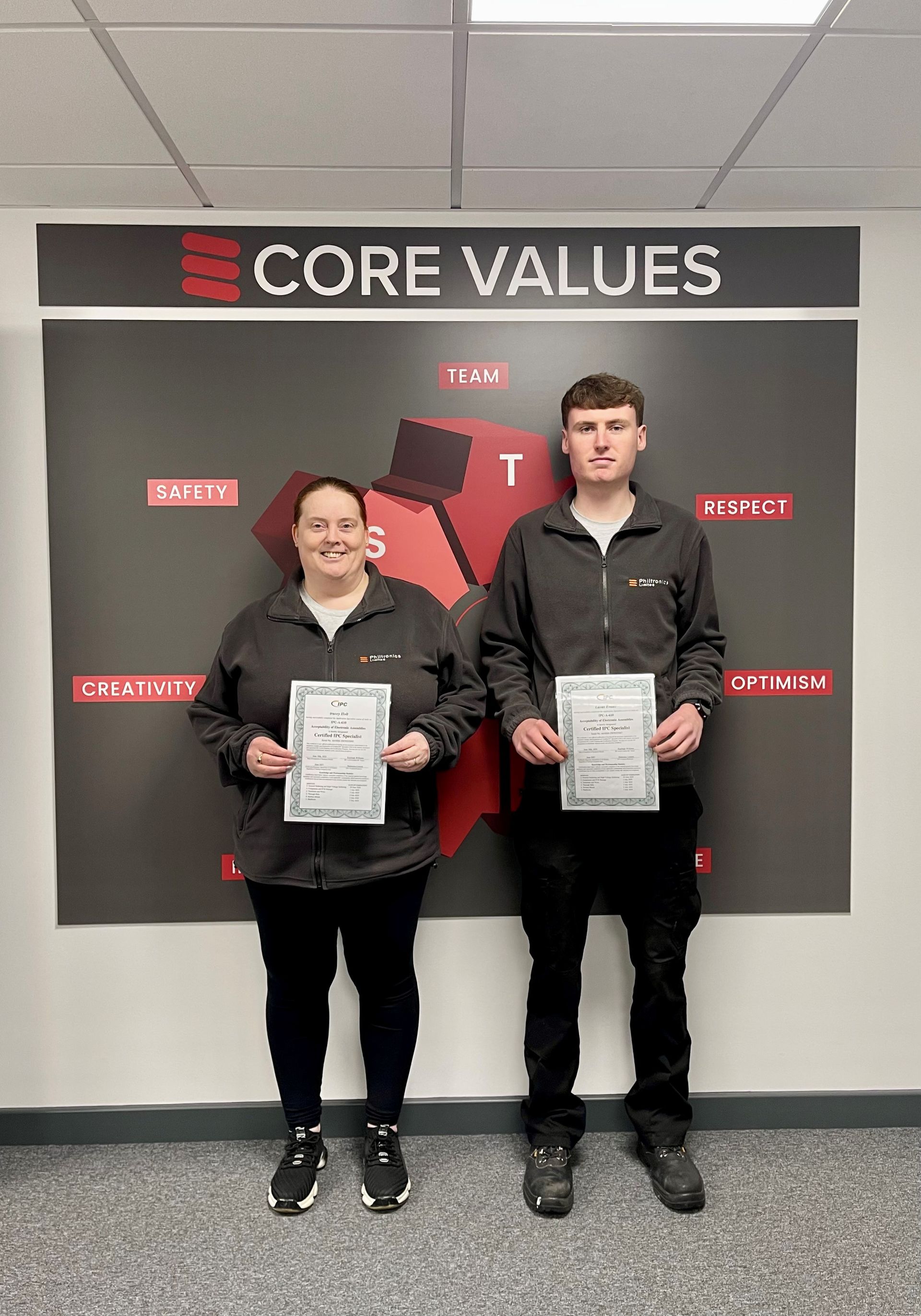
January 2024, earning his first promotion to
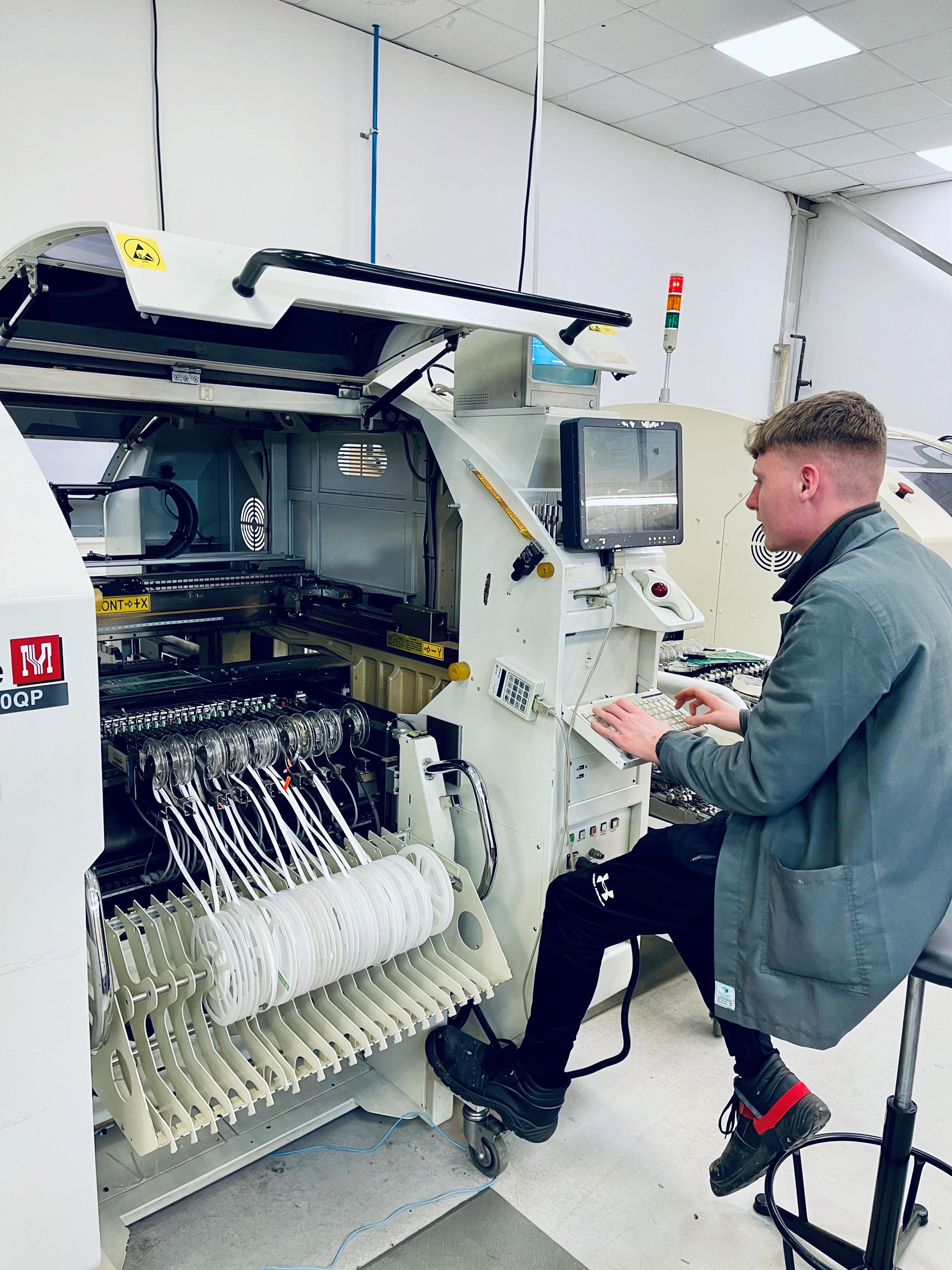
Machine Operator. This wasn’t just a job title change; it was a recognition of his growing capability and his commitment to developing his skills. The milestone demonstrated how structured learning, regular feedback, and practical responsibility can translate into measurable progress and new opportunities within the business.
Growing Into a Reliable Team Member
Facing Setbacks And Rising Above Them
Lucas’ journey wasn’t without challenges as he faced a couple of setbacks along the way. But what defines him is how he responded. He didn’t allow obstacles to derail his progress or diminish his ambition. Instead, he showed resilience, maturity, and determination, qualities that employers across the manufacturing sector value deeply. Those experiences ultimately became part of his development, helping him build the confidence to reflect, adapt, and continue moving towards more technically demanding responsibilities.
Over the past three years, Lucas has been interviewed by external partners several times, with each interview capturing a new stage in his development. Together, these conversations provide a valuable record of the confidence, self-awareness, and ambition he has developed throughout his time with the company. Listening to him speak about:
- the support he received from Philtronics staff,
- how his confidence grew,
- and how his outlook on work transformed from “a chore at 17” to “a privilege,” has been inspiring for everyone involved.
His personal growth mirrors his professional growth, and both are remarkable. They show that successful apprenticeships develop far more than technical competence: they can also change how a young person sees their own potential, responsibilities, and contribution to the workplace.
Further Education Unlocks New Opportunities
A Role Model for the Next Generation
Why Vocational Pathways Matter For Individuals, Businesses, and Industry
Philtronics has long championed vocational learning as a cornerstone of talent development. That commitment is reflected not only in the opportunities available inside the business, but also in the time invested in promoting manufacturing careers and building relationships with education providers. Philtronics has been shining a light on manufacturing, our outreach programme is strong, we promote STEM careers and our apprenticeship programmes. We believe that employers must actively explain the breadth of modern manufacturing careers and help young people understand the many routes available to them.
Our partnerships with
Aspire & Tydfil Training,
Merthyr College,
Coleg y Cymoedd,
NPTC, and the
University of South Wales & Network75 continue to bear fruit, helping us build a robust talent pipeline for the future. Each relationship helps connect education with genuine industry needs, giving learners clearer insight into careers while enabling us to identify and nurture talent at different stages of development.
Through our
Philtronics Academy, we are upskilling staff in electronics and digital skills, “constantly trying to raise the bar to create a talent pipeline to support future growth.” By extending development opportunities beyond new apprentices, the Academy supports continuous learning across the workforce and helps existing employees keep pace with changing technologies and customer requirements.
This investment is critical not only for our business, but for the wider manufacturing sector. By being a key supply chain partner to the semiconductor and defence sectors, we support the industrial strategy, providing advanced manufacturing services, allowing our customers to focus on R&D and innovation. A dependable supply chain depends on people who combine technical skill with quality awareness, adaptability, and an understanding of how their work contributes to complex customer programmes.
Vocational pathways help ensure that businesses like ours have the skilled workforce needed to support these high‑value industries. They also support social mobility by giving people the opportunity to earn, learn, and progress through recognised qualifications without separating education from practical experience.
The Importance of Mentoring and Knowledge Sharing
Looking Ahead: Building the Workforce of Tomorrow
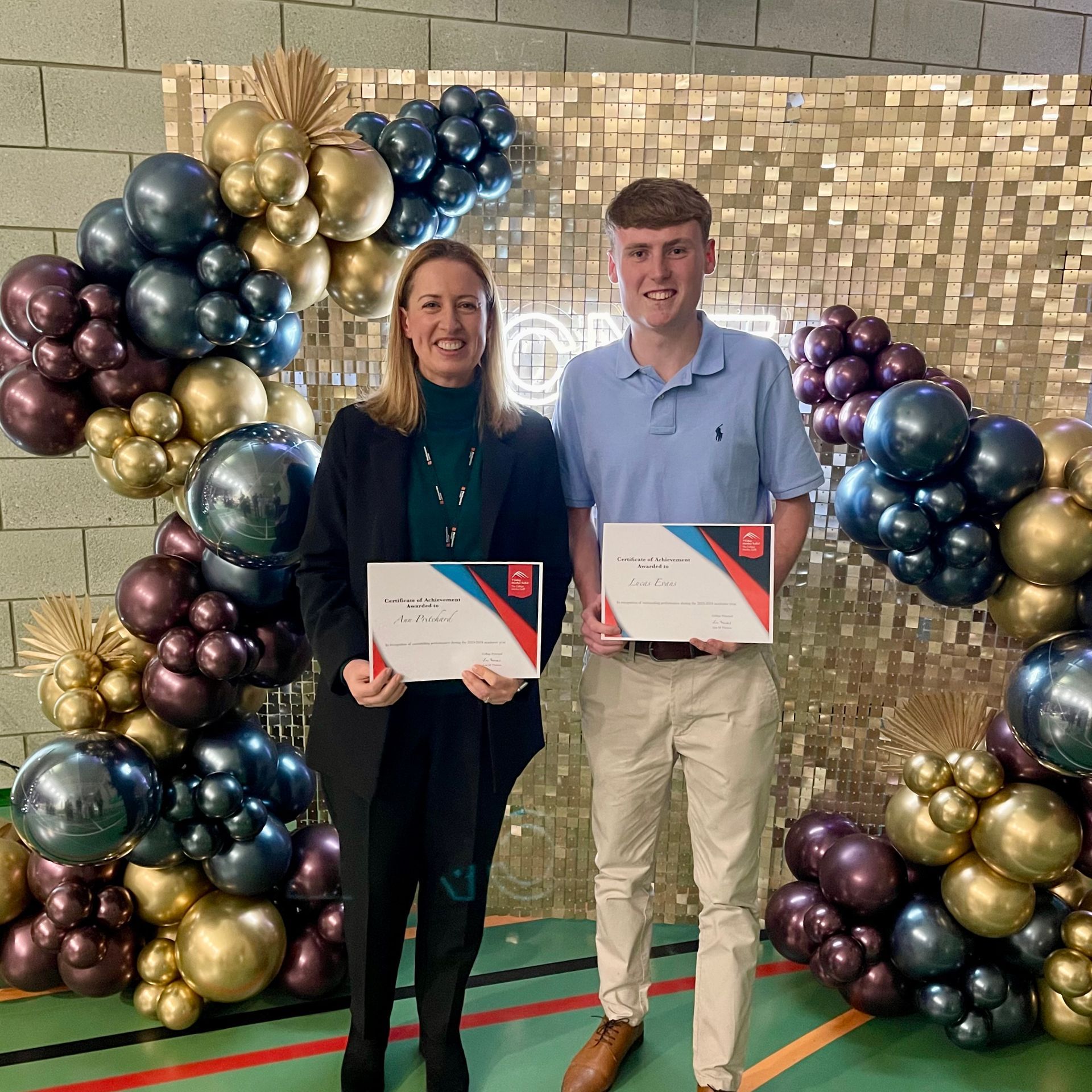
Lucas’ journey is far from over, but his achievements so far highlight the true value of vocational pathways. They create confident, capable engineers. They open doors to meaningful careers. And they help businesses like ours build resilience, sustainability, and future‑ready teams. For employers, this development builds a stronger internal pipeline of talent, protects valuable technical knowledge, and creates employees who understand the business from the ground up.
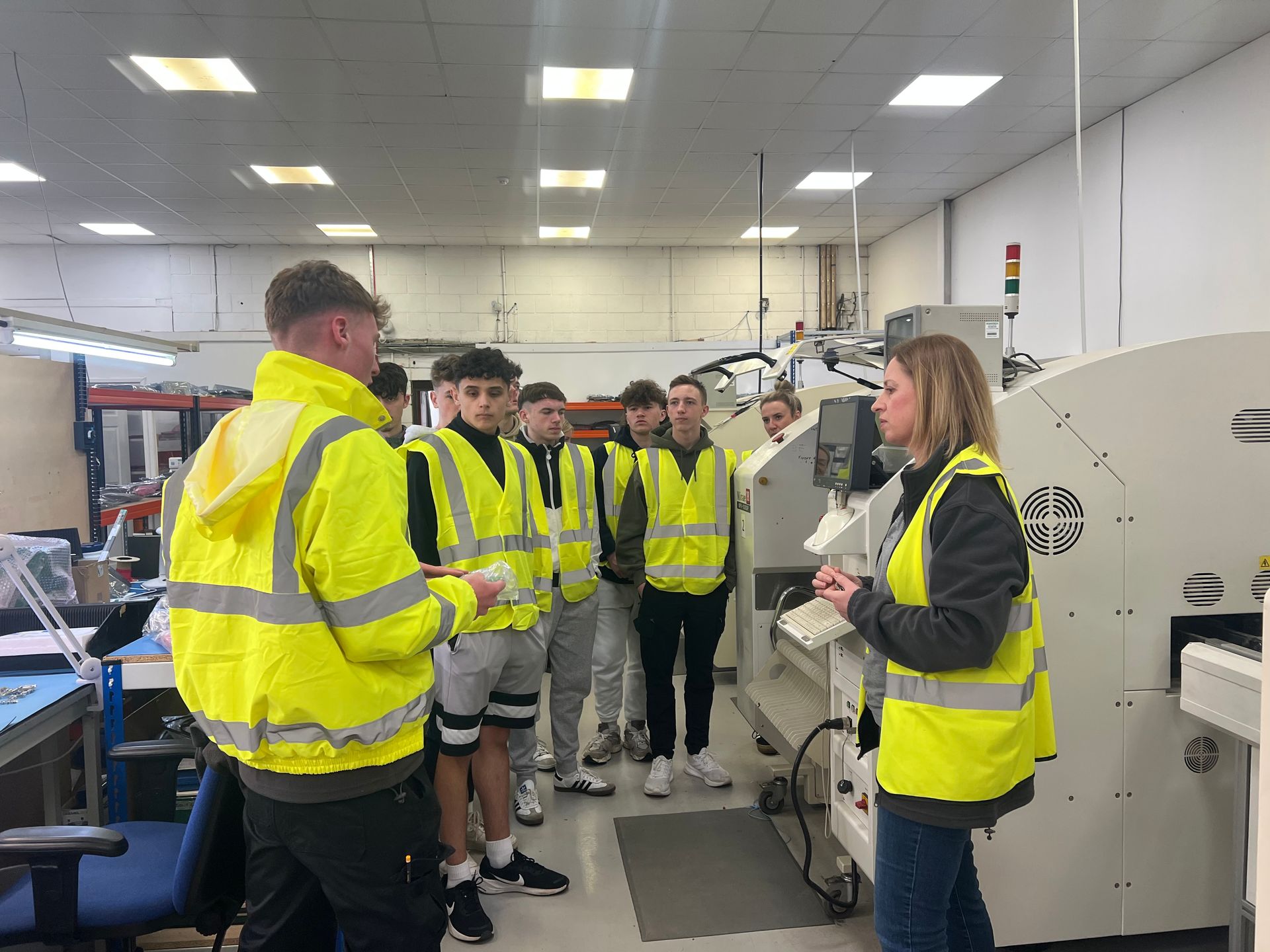
Following the arrival of our five new apprentices this autumn, we are excited to see Lucas step into a mentoring role, guiding new recruits, sharing his experience, and showing them what is possible. That transition from learner to mentor is an important part of a healthy apprenticeship culture, because it allows experience to circulate through the organisation and gives newer colleagues relatable examples of success.
His story is not just a celebration of one individual; it is a demonstration of what vocational training can achieve for young people, for businesses, and for the UK manufacturing sector. By investing consistently in apprenticeships, further education, and mentoring, we can help ensure that the next generation is equipped to meet the evolving demands of advanced manufacturing.